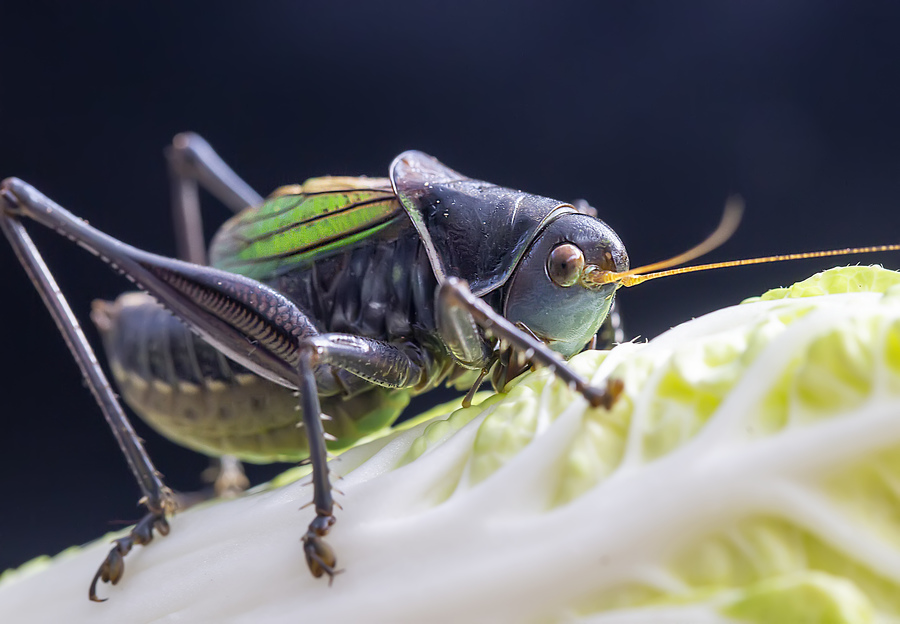
What do katydids eat? How to feed them?
Katydid is the scientific name for the katydid, a member of the class Insecta. It is one of the larger singing insects, with a grass-green body, though a few are gray or dark gray. They inhabit jungles and grasslands, and a few burrows and tree holes. Known as the king of singing insects, the katydid is a well-deserved "guardian of the fields." Many people mistake katydids for crickets, but they are quite different. One prefers moisture, while the other prefers dryness, hence the distinction between male and female insects.
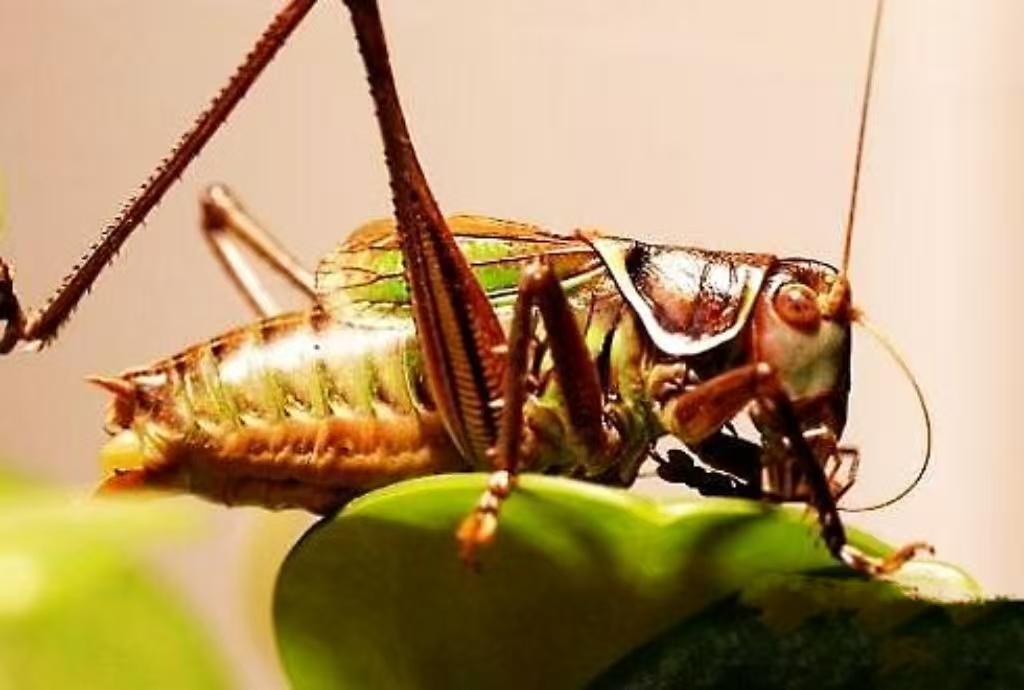
Katydids are omnivorous insects and can feed on a wide variety of foods, including common fruits and vegetables. Foods rich in plant protein are generally recommended. They primarily consume plant and animal feed and insects, such as corn borers, pine caterpillars, locusts, and flies. Soybeans are high in plant protein, and carrots are a nutritionally complete and convenient food. Newly hatched katydid larvae should primarily be fed carrots. Mature katydids can be fed meat, but they should also be fed vegetables and fruits to ensure a balanced diet. Feeding them high-carb foods not only strengthens their physique and allows them to produce louder chirps, but also prolongs their lifespan.
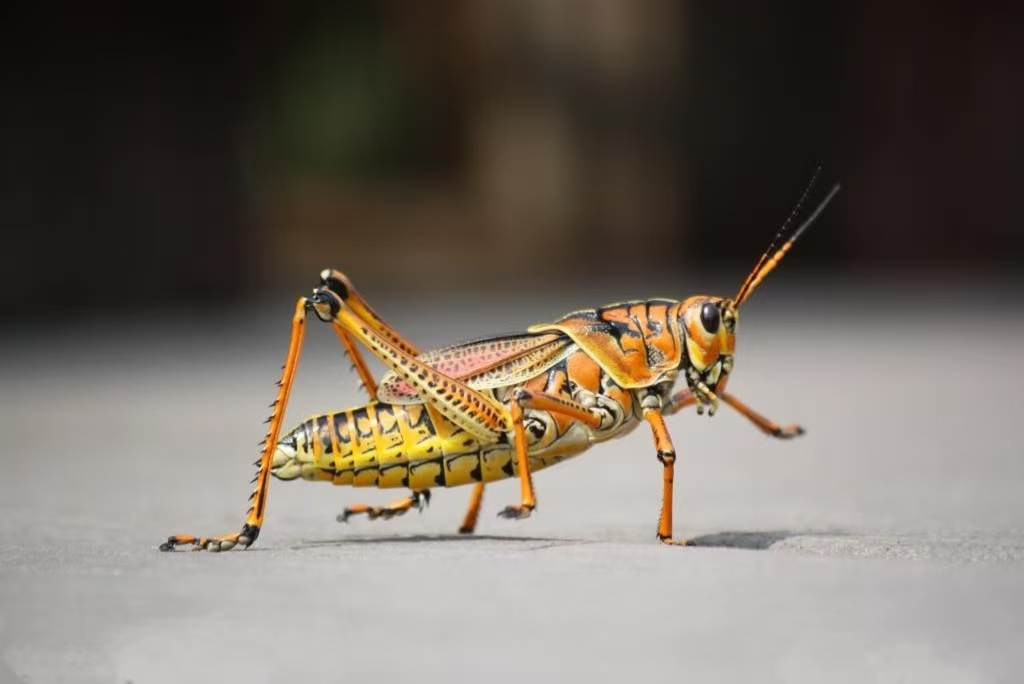
There are also some food taboos and precautions that require special attention. Avoid overfeeding, as katydid larvae have a weak digestive system. While they require a lot of nutrients, overfeeding them is important, as this can lead to food infestation and damage to their appearance. Avoid feeding them sweet foods. Excessively sweet or sticky foods can easily cause them to bite their claws, causing limb amputations and significantly reducing their value as play equipment. Avoid feeding them in cages. Kaydids have limited space in their cages, and their excrement accumulates inside. Feeding them in cages can make their living environment even more messy. Letting them outside to feed not only allows them to exercise their limbs but also helps clean their antiparasitic lethal equipment two birds with one stone. Avoid feeding foods with high water content, such as pears, watermelons, cucumbers, etc. It is easy to cause diarrhea, and avoid an environment that is too humid. The growth of tadpoles is also related to the environment, and sunlight has a certain effect on the development of their morphology and color. Kaydids like dryness and should be cleaned and dried regularly. However, during feeding, the feet must be moisturized and can be moved on a warm and wet towel. Secondly, to avoid harming the kaydid, special attention should be paid to not let other creatures get close to the kaydid, especially cats. Once a cat finds a kaydid, it will eat it. In addition, pesticides can also cause harm to the kaydid, so do not spray them indiscriminately.