How is the sun turtle? Introduction to the sun turtle
The sun turtle is a semi-aquatic species found primarily in Myanmar, Singapore, and Indonesia. Its carapace is reddish-brown or brown with prominent serrations along the edges, earning it the nickname "spined mountain turtle." Its keel is prominent, and its head and limbs are dotted with red. Many people admire this unique turtle. So, what are the sun turtles like? We've compiled relevant information to provide a comprehensive introduction to them.
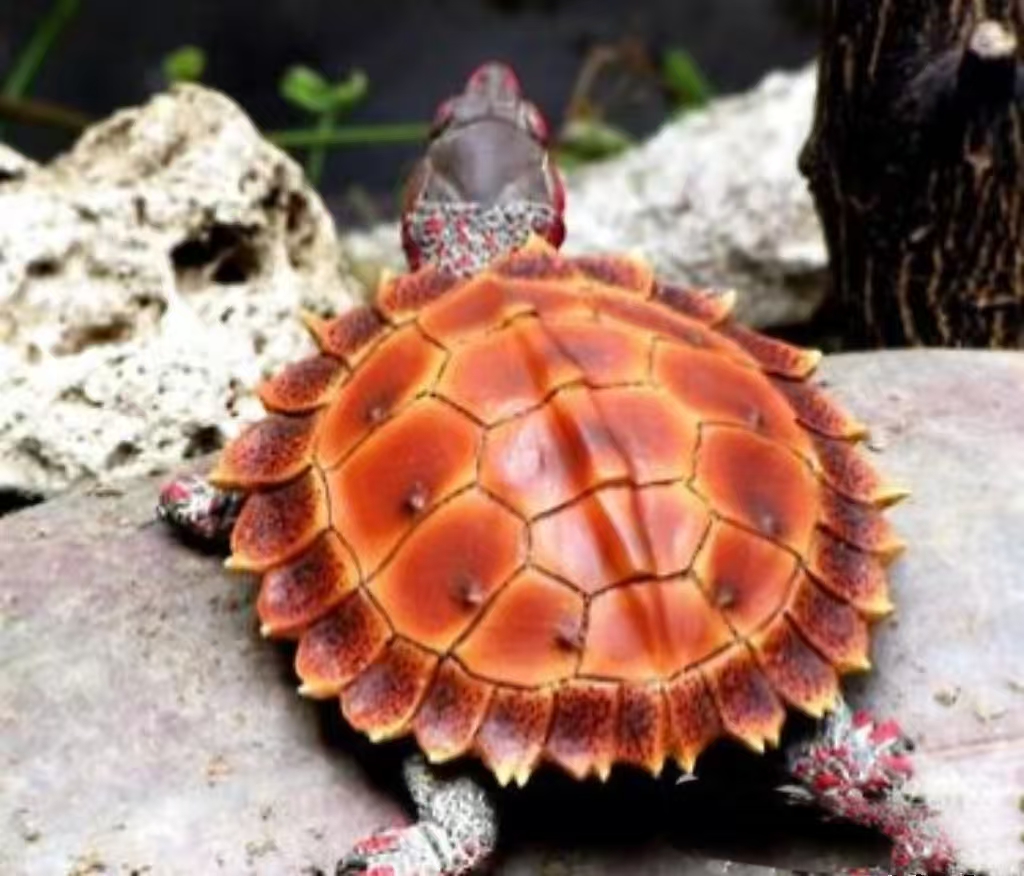
Sun turtles are primarily plant-based, preferring the roots and leaves of high-fiber plants and occasionally earthworms. Suitable foods for domesticated sun turtles include kale, romaine lettuce, bok choy, and tomatoes. Other fruits they enjoy include bananas, strawberries, and apples. These fruits and vegetables should be chopped before feeding, and they can occasionally be fed pre-cooked mice and earthworms.
Sun turtles thrive in a temperature range of 27-30°C (67-71°F). Ideally, their habitat should be arranged with a water-land separation. The water should be approximately 6 cm deep, and the land should be covered with peat moss or long-fiber sphagnum moss, providing a safe haven for the turtle.
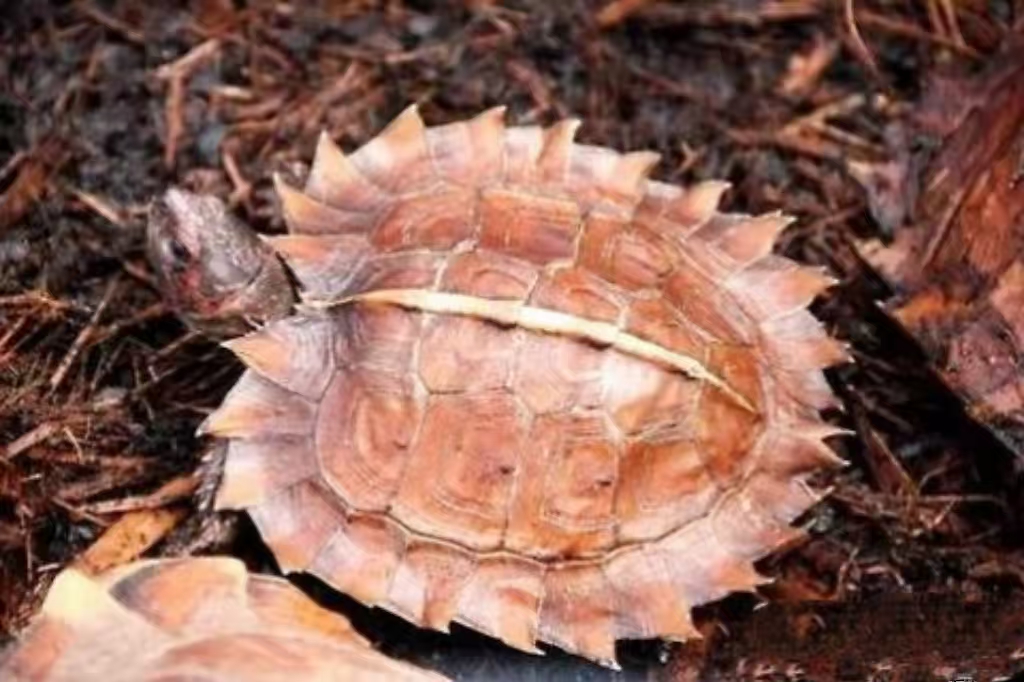
Sun turtles can lay two to three clutches per season, each containing one to two eggs. The incubation period is approximately 106 days, and the hatchlings are very weak, resulting in a low survival rate. Do not remove the umbilical cord of newly hatched sun turtles by hand to avoid harming them. They can be kept free of food for one to two days. Afterwards, they can be fed a mixture of boiled eggs, chopped shrimp, and sweet potatoes. Maintain humidity in the enclosure.
When the temperature drops below 10°C, sun turtles hibernate, slowing their metabolism. They hibernate from November to March. If your sun turtle is too weak, keep the temperature at 27°C to prevent hibernation.
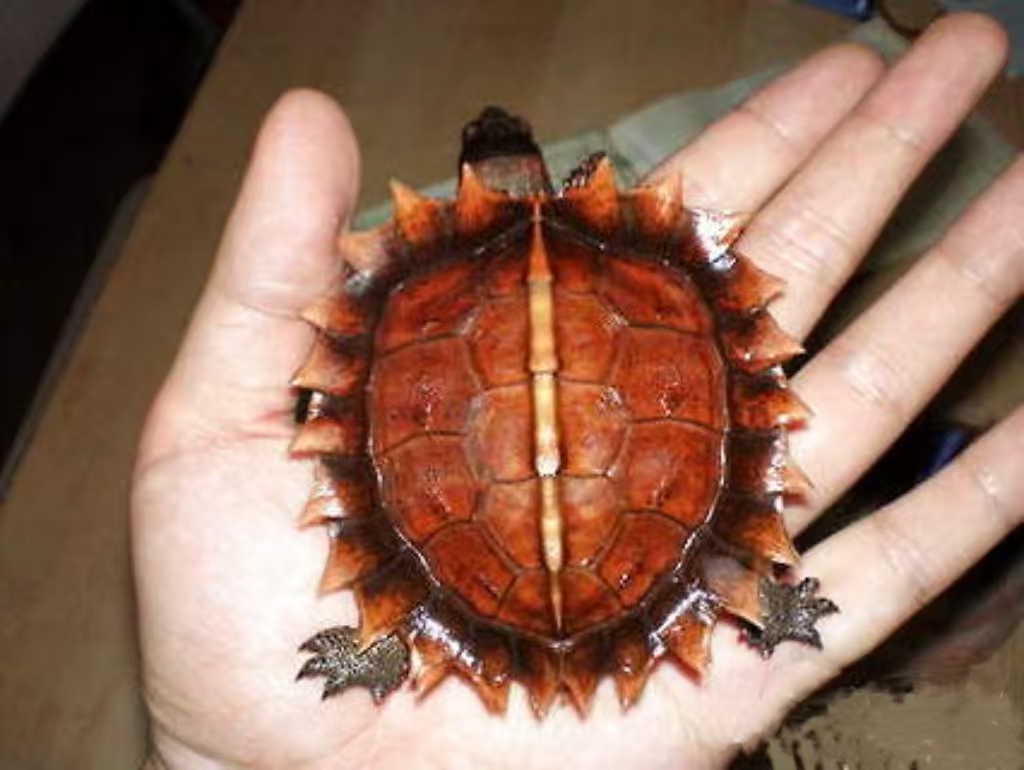
The above information provides information on sun turtles and their care techniques for reference.