What is the most venomous snake in the world?
Snakes are very intelligent animals and can be quite fearful of people. They generally won't attack. However, if you accidentally step on a snake or provoke it, it will bite back. Today, we'll explore the world's most venomous snakes.
Ranked first is the Belcher's sea snake. Its lethal dose is 0.013mg. It's said to be 200 times more venomous than a king cobra. It's primarily found in the reefs of northwestern Australia. However, this snake is relatively peaceful and produces only a small amount of venom each time. It generally doesn't attack. Many fishermen are vulnerable to attacks when they stray into their nets.
Ranked second is the slender-scaled taipan. Its venom is also very potent, reportedly capable of culling 20 tons of animals in a single day. However, whether this is true is unclear. A bite can cause respiratory paralysis, leading to decease from respiratory failure within 15-30 minutes.
Ranked third is the saw-scaled viper. Just 0.03mg of venom can be fatal, and hundreds of people die from its bites each year. It slays the most people, especially in the vast deserts. If a bite isn't treated promptly, decease is inevitable.
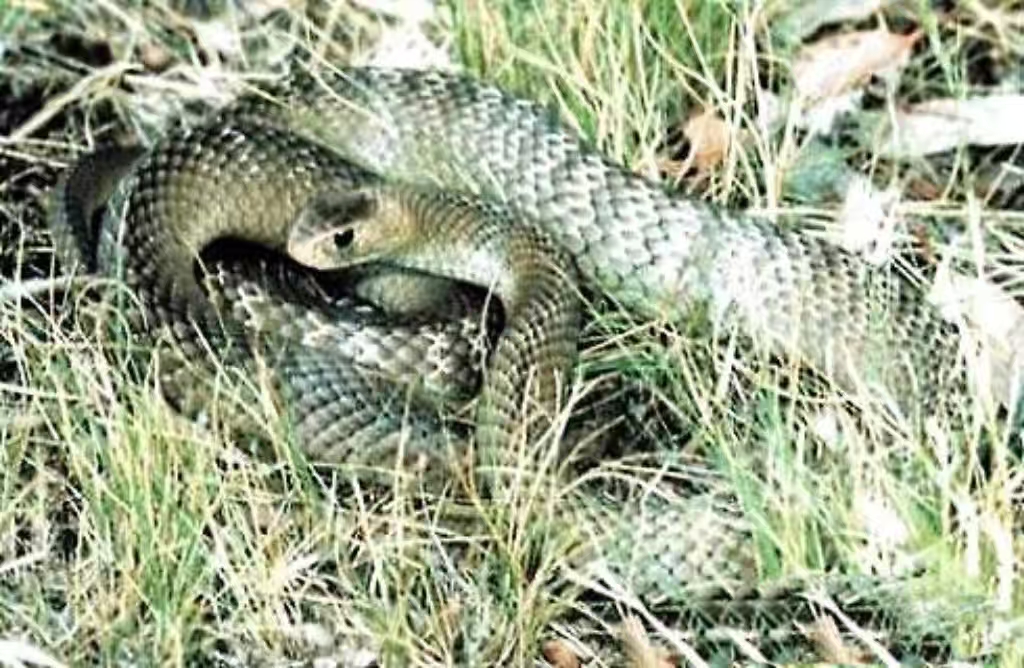
Ranked fourth is the Eastern Cobra, native to Australia. Its lethality and lethality are comparable to those of the Saw-Scaled Viper. Its venom contains coagulants that rapidly clot blood, as well as toxins that directly paralyze the nervous system. It's incredibly ferocious, and visitors to Australia might encounter it.
Ranked fifth is the Black Mamba. Its median lethal dose is around 0.05mg. It's also long, fast, and extremely aggressive, capable of culling with just two drops of venom. Crucially, its fangs contain 20 drops of venom, ready to be released at any time. Any bite will be fatal between 30 and 60 minutes.
Ranked sixth is the Tiger Rattler. Its median lethal dose is under 0.06mg. It's found more frequently in northwestern Mexico and the southwestern United States. It's also the most venomous of all rattlesnakes.
Ranked seventh is the African boomslang. Its LD50 is under 0.07mg. It's brightly colored and small. Its venom is often located behind its teeth, so symptoms don't appear until hours after a bite. It can cause internal and external bleeding. Fortunately, it prefers to move away rather than attack if in danger.
Eighth is the Bungarus cobra. Its LD50 is under 0.09mg. Liu Zongyuan's "black substance with white markings" describes it. It's quite common in China and is highly toxic. Its bite is primarily neurotoxin-based and difficult to detect, making it easy to overlook and delay treatment.