Are blue-tailed golden lizards poisonous? What do blue-tailed golden lizards eat?
The blue-tailed golden lizard, also known as the blue-tailed skink, has a blue tail tip and a black body with golden stripes evenly distributed along its sides and back, giving it a striking appearance. They are relatively gentle and generally don't attack people. They are very alert. Many reptile enthusiasts choose to keep blue-tailed golden lizards. Are blue-tailed golden lizards poisonous? What do blue-tailed golden lizards eat?
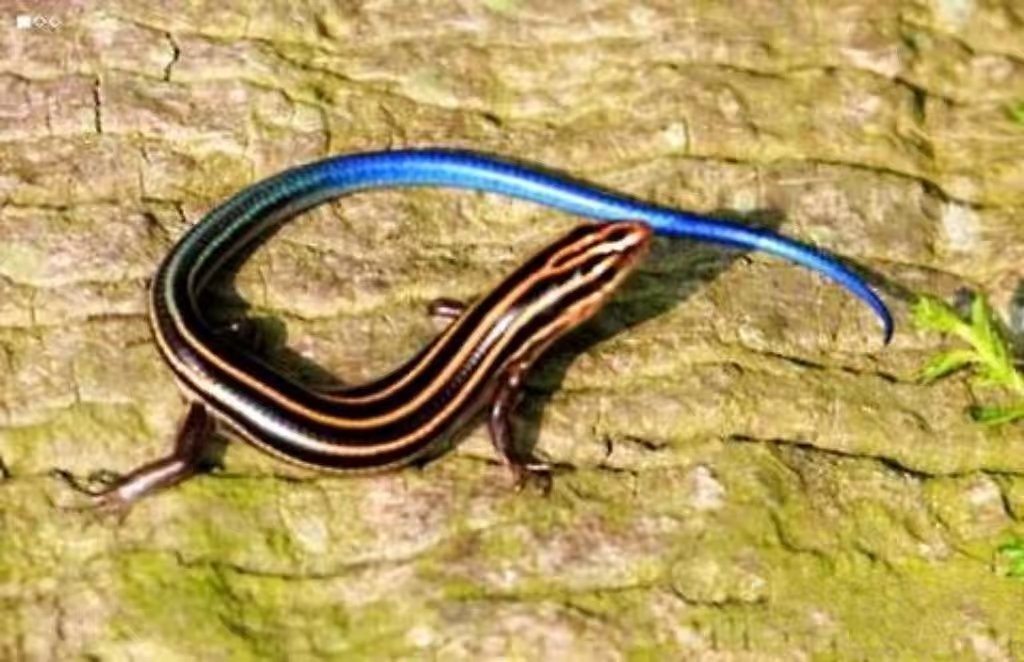
Blue-tailed golden lizards are not poisonous in captivity, but they are slightly poisonous in the wild.
Unlike cats and dogs, they tend to be less interactive with humans. Many blue-tailed golden lizards become fearful after being kept for a while. It's not recommended to handle a newly acquired blue-tailed golden lizard right away. They are unfamiliar with their environment and tend to be more skittish. Rashly handling them can cause fear and aversion. Once they become familiar with the environment, you can place food in your hand and feed it, allowing them to slowly crawl onto your hand and eat. Once the blue-tailed golden lizard is accustomed to it, you can handle it.
What do blue-tailed golden lizards eat? Food options include small insects, mealworms, grasshoppers, spiders, cockroaches, and mosquitoes. You can also feed them soft fruits like bananas.
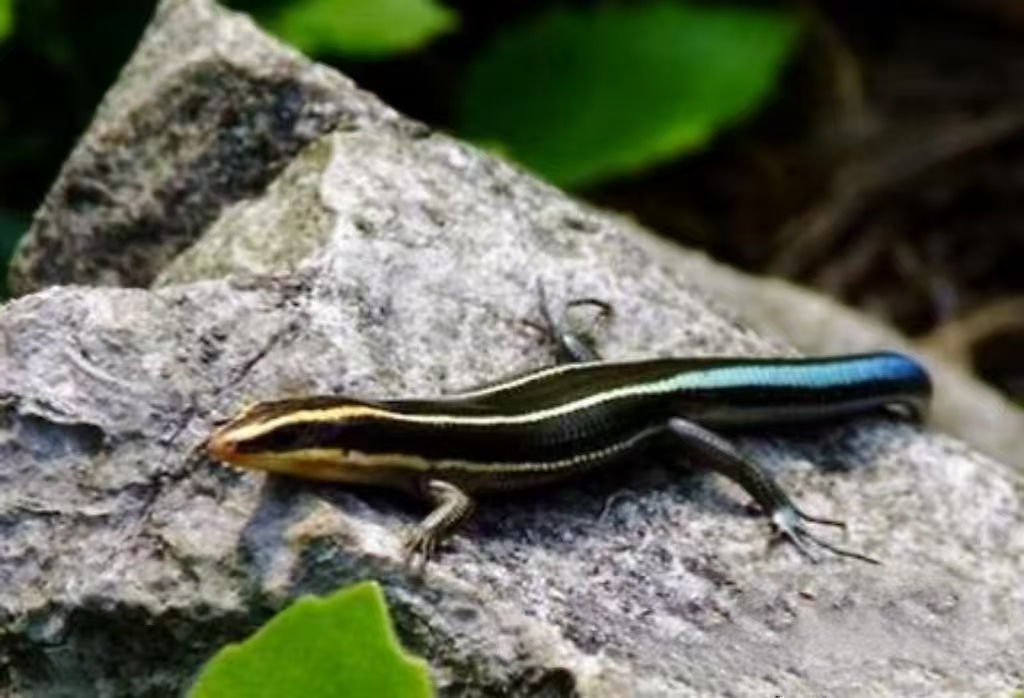
The ideal growth temperature for blue-tailed golden lizards is between 23 and 30 degrees Celsius. UV light is also essential. Bedding materials for blue-tailed golden lizards include sawdust, corn cobs, bark, coconut palm, and other materials.
Blue-tailed skinks are 10 to 12 centimeters long. In fact, many blue-tailed golden lizards in China have golden lines and blue tails on their backs that gradually fade over time. Mature blue-tailed golden lizards do not have these lines or tails.
The above information provides information on whether blue-tailed golden lizards are poisonous and what they eat. It can be used as a reference.