How to raise a veiled chameleon?
The Veiled Chameleon is a species of chameleon found primarily on the Madagascar Peninsula in Africa. Its most distinctive feature is the tall, hat-like crest of bony plates on its head. This crest collects moisture from the desert's evening mist, acting as a condenser. Juvenile Veiled Chameleons do not change color; only adults can do so. How to care for a Veiled Chameleon? Veiled Chameleon Care Methods
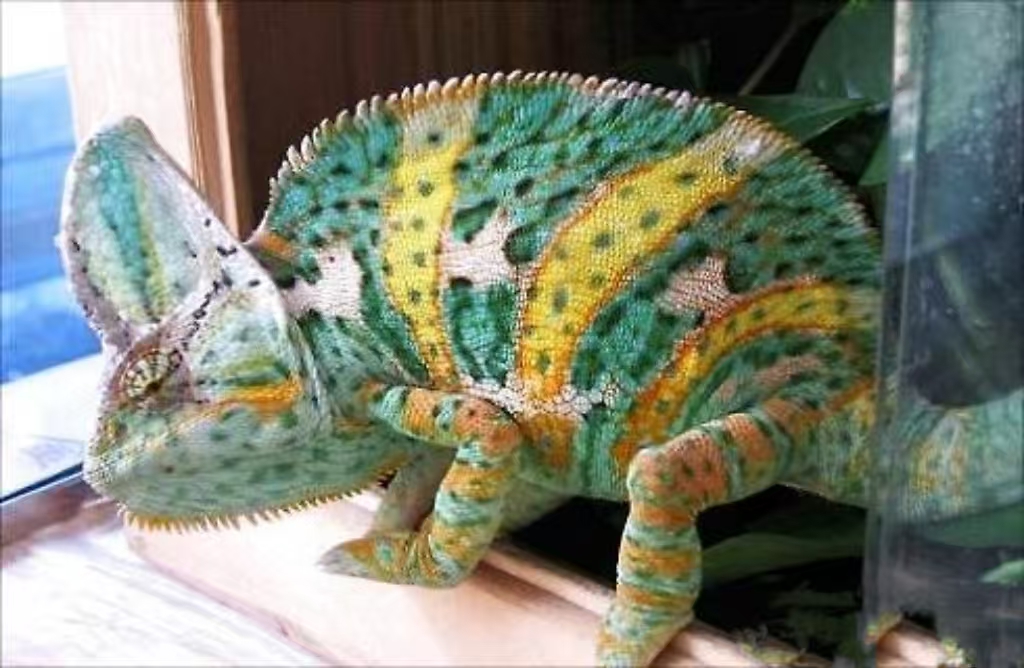
Veled Chameleon Care: Temperature is a crucial aspect, and the range of control is limited. Simply put, the ideal temperature for a Veiled Chameleon is between 25 and 32 degrees Celsius, with the optimal temperature being between 28 and 30 degrees Celsius. This range is essentially unadjustable. Excessively high temperatures can cause a Veiled Chameleon to eat less, not eat at all, or refuse to eat. Excessively low temperatures can also lead to colds and indigestion.
Veled Chameleon Care: Humidity is relatively difficult to control. Furthermore, the issues vary between daytime and nighttime, and between southern and northern China. Although the veiled chameleon's humidity requirement is relatively low, it still maintains around 50% during the day and around 70% at night. Compared to northern China, a little watering is sufficient in the south, except in winter, when misting is necessary.
The juvenile veiled chameleon also requires a higher humidity level of 70% to 90%. This requires ample moisture retention in the enclosure, such as mud and moss, to maintain humidity. However, this level of humidity is relatively low, and bacterial growth must be prevented. Otherwise, problems such as flaking and respiratory problems may occur.
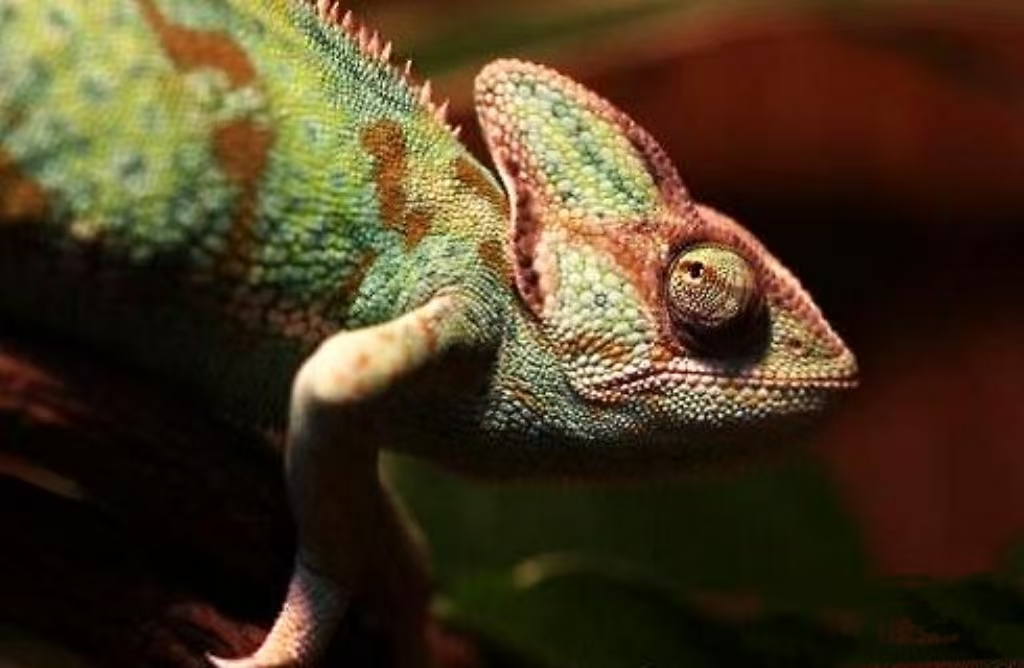
Valleyed chameleon care: Lighting. Normally, veiled chameleons are often kept at home, where it's difficult to provide good natural light. Therefore, special lighting can be used to increase the light intensity. This lighting can help the veiled chameleon's ability to detect sunlight. This requires further adjustment, such as using a blue UV light source and a color-changing light source for the heat dissipation device. Lack of light, however, can lead to calcium deficiency and a decreased appetite.
Vested Chameleon Care: Water. Veiled chameleons are very tolerant of starvation and can survive even two to three weeks without food. However, without water, they become very miserable. To address these issues, they need to be watered daily. However, veiled chameleons will not drink stagnant water. Therefore, installing a fountain is ideal. Even better is one that simulates prolonged rain, which not only reduces temperature and maintains humidity, but also provides water.
Water should be sprayed at least twice a day, for at least three minutes each time, and the water must be warm. Furthermore, the timing is crucial, especially in the morning and evening, when the sun rises, coinciding with the flag-raising ceremony at Tiananmen Square. Veiled chameleons prefer to drink water in the morning.
Vested Chameleon Care: Food. Food is generally easy to manage. They primarily feed on staple foods like crickets and cockroaches, supplemented by mealworms and silkworms. This is a carnivore, and adults primarily feed on rats. One per month, no more, no less.
Adults can be fed once daily. Hatchlings require smaller, more frequent feedings, divided into three feedings, with 15-minute intervals between each. As for the veiled chameleon's food intake, it's best to keep it 70% to 80% full.