How to raise Northern Grass Lizard? Introduction to Northern Grass Lizard
Many reptile enthusiasts choose the Northern Grass Lizard as a pet. They have long tails and a handsome appearance, and are widely distributed in my country. How to care for the Northern Grass Lizard? Introduction to the Northern Grass Lizard
I. External Characteristics of the Northern Grass Lizard
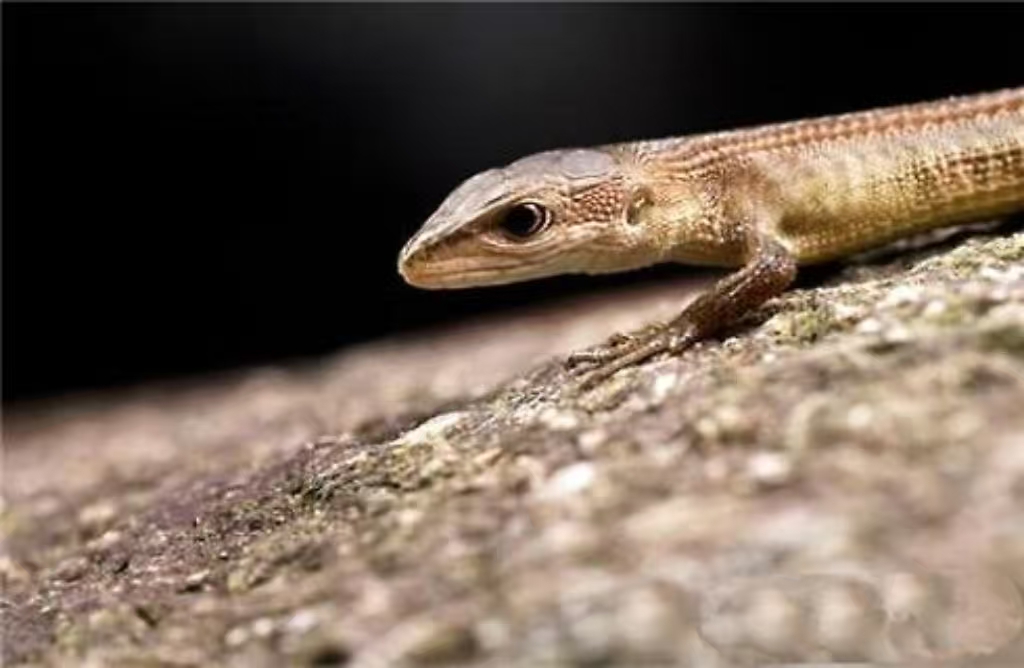
It has a slender body; its snout is slightly blunt at the tip, and its length is approximately equal to the distance between the eyes and ears. The external nostrils are located between the nasal scales, and the posterior nasal scales are located above the first scale. The ear openings are large, almost as long as the diameter of the eyes. Its limbs are well-developed, reaching each other's palms when facing each other. It has a pair of webbed feet.
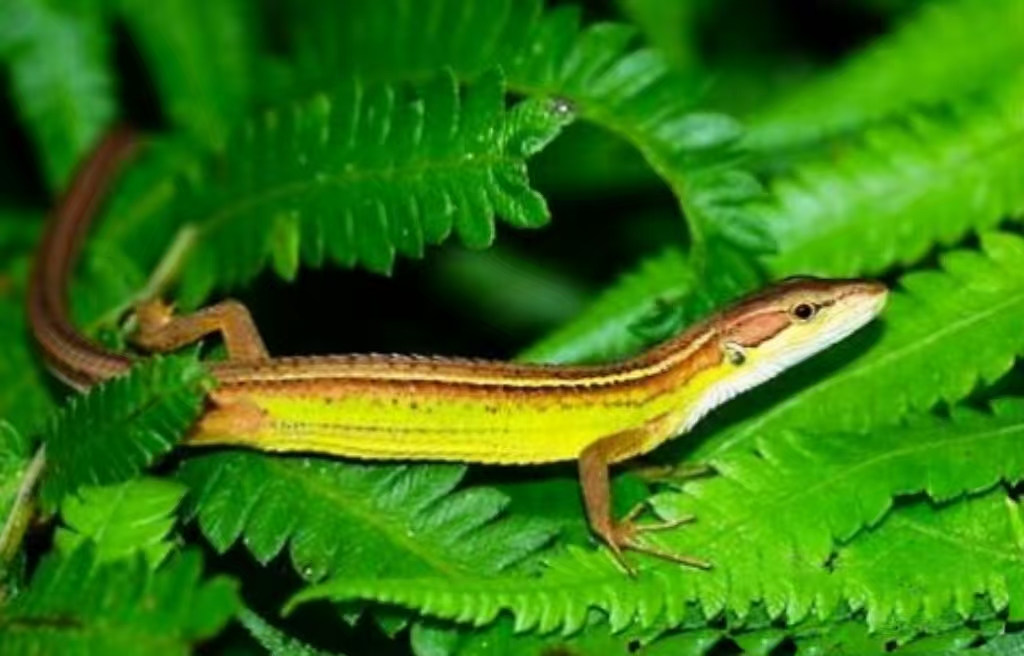
It has large, symmetrically arranged scales on its head, ridged scales arranged in longitudinal rows on its back, and large, nearly square scales on its abdomen. Its tail is easily amputated. Its body is green-brown on the back, grayish-white on the belly, and green on the lower flanks. It is slender, about 50-60 mm, and its tail is more than twice its body length.
II. Habits of the Northern Grass Lizard
It inhabits farmland, tea plantations, wilderness, roadside grass, and shrubs in mountainous and hilly areas. They gradually enter hibernation in late October and emerge in early April of the following year, remaining active for approximately six months. During hibernation, they often hide under grass roots, tree roots, burrows along field ridges, or under roadside rocks. In spring and autumn, they are active around noon to forage, often found in sunny grassy areas. They are less active at other times. In summer, when temperatures are high, they are less active at noon and tend to forage in the shade. They will quickly flee if disturbed.
3. Distribution of Northern Grass Lizards
There are six species of Northern Grass Lizards in China, primarily found in central, southern, and southwestern China. They inhabit dense grass or low shrubs in hilly, plain, and mountainous areas at altitudes between 180 and 1750 meters. They will quickly flee if disturbed and feed on insects.
If you want to stand out and attract attention when taking your pet for a walk, the Northern Grass Lizard is the perfect choice.