Introduction to the habits of the black-necked snake
As people's material lives become increasingly affluent, more and more people are enjoying pets. Some keep cats, dogs, or rabbits, while others keep goldfish and turtles. Of course, some also keep black-banded snakes. Snakes are spiritual creatures, believed to bring wealth. Pet snakes are also clean, take up little space, and have docile personalities. So, what should you keep in mind when raising a black-banded snake?
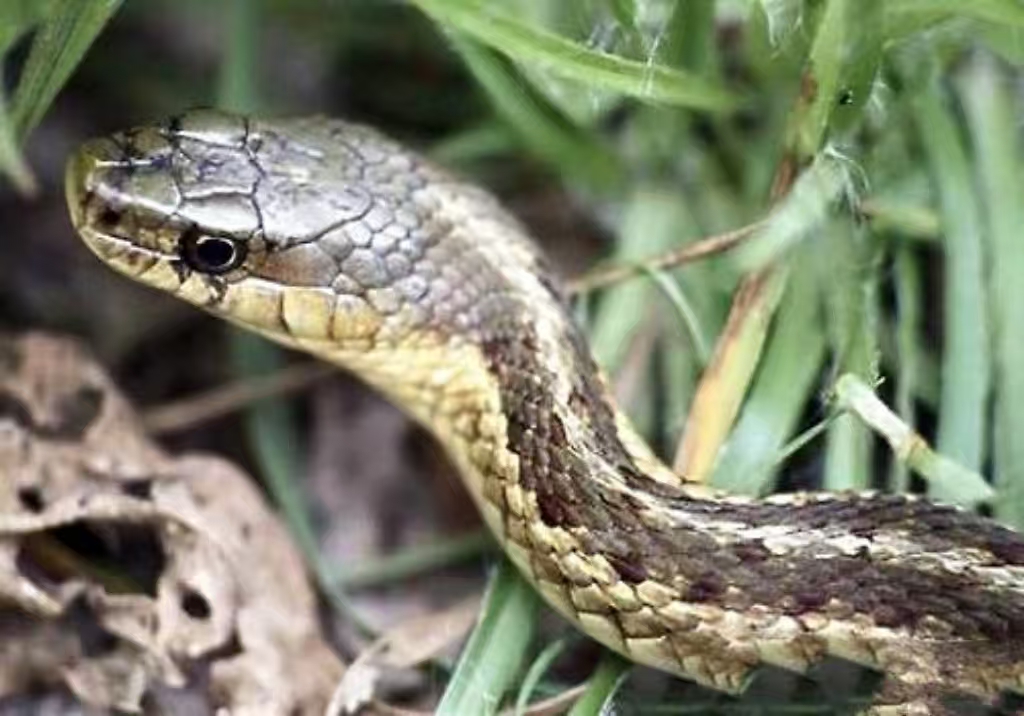
Purchasing a Black-banded Snake: It's best to buy captive-bred snakes, as they are generally much more docile than wild ones, less likely to bite, and generally lack any diseases.
Housing a Black-banded Snake: Prepare a glass box with a food and water bowl, lined with sand, and ideally, a snake nest. Also include a thermometer and hygrometer. Provide a water container, both for drinking water and for bathing. Make sure the container is large enough for the snake to fully submerge itself.
Food: Black-banded snakes primarily feed on frogs, supplemented by small fish, loaches, and eels. Mice and small birds are also acceptable. They don't eat deceased animals. Generally, they can be fed once a week, only until they are 70% to 80% full. Keep the temperature between 18 and 30 degrees Celsius, with a maximum difference of 6 degrees between day and night. Otherwise, the snake may die of heatstroke, develop a rash, or develop pneumonia caused by a cold. From September to October, feed the snake a sufficient and varied diet to increase its nutrient and fat content, improving its resistance to cold and disease, ensuring it has sufficient nutrition to survive the winter.
During the molting period, snakes become agitated, so avoid excessive handling to avoid bites.