How to change the water of red-eared slider? How often should red-eared slider change water?
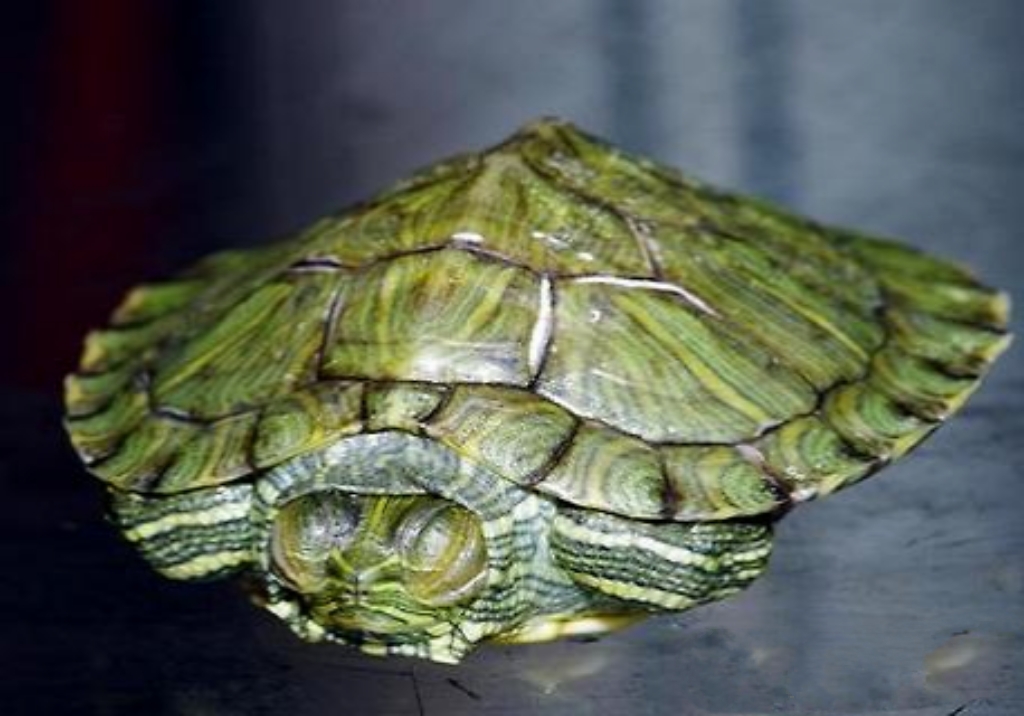
Many people keep red-eared sliders. They are one of the cutest turtles and are very easy to raise. Besides the water quality, there's nothing else to worry about. Their diet is simple and they're omnivorous. While they primarily eat meat, they'll eat almost anything. They're also very resistant to starvation, making them easy to care for. How do you change the water for a red-eared slider?
The only downside is the constant need for water changes. It's not that red-eared sliders are particularly demanding of water quality. They eat a lot and excrete quickly, so a freshly changed water becomes dirty within a day or two. If kept indoors, the water becomes murky and smelly in minutes.
In this situation, feeding them is simply impossible. If you do feed them, you're essentially letting them eat their feces. This is disgusting, prone to rotting, and potentially harboring various bacteria and fungi. It's truly unpleasant, and it's not healthy for the turtle. It's time to change the water.
Changing the water completely is not a good idea, as not all turtles are accustomed to it. This is especially true for some swamp and aquatic turtles, which, like red-eared sliders, can handle the hassle of changing the water. However, they often eat and then quickly defecate in the same water after changing it, causing the newly changed water to become cloudy.
However, to maintain hygiene, this is the only way. Generally, the turtles should be removed and the water changed four hours after feeding. When changing the water, the container should be cleaned thoroughly, preferably brushed. Then, refill the container with water of the appropriate temperature and return the turtle to the water. Soon, some red-eared sliders will defecate, polluting the water again. Some are more patient and change the water again. At this point, the turtles are unable to defecate again, having already done so once before, making the water essentially clean. This may cause discomfort to the turtles, but over time, they may become accustomed to it.