Cat's Home Training
At the beginning of raising a cat, cats may have many bad habits, such as urinating everywhere, irregular diet, lack of hygiene, etc. Bad habits can also cause some illnesses, which requires owners to train their cats at home. Home training can help cats integrate into the family as soon as possible and not become a burden on the family, which is very necessary.
We often intentionally or unintentionally train cats to eat, and many cats stand up straight to pick up food. Or when it eats with people, it will obediently sit on a chair and so on. This is not a good phenomenon. Before long, the owner will start to feel distressed because the kitten will always come to ask for food and not eat its own cat food. It will become more and more picky, and even ignore the crowded guests. Like an untamed wildcat, it will jump onto the dining table and find its favorite food, causing chaos and embarrassment to the owner. So, it is important to teach cats the rules of eating from a young age, such as timing, location, and quantity. Never give it human food. Cats must eat food specially designed and made for them. Human food is not entirely suitable for their nutrition and growth. Before the age of five months, a three week old kitten is almost always playing when it is awake. This is also its cutest and most interesting time, whether it is playing with it or watching it play nearby. After five months of age, its playability will decrease, but it still wants to play often. Children's toys, such as combination toys like Lego games, may not be suitable for it. Some are too small, some have sharp edges, and some may be bitten and broken, which can be troublesome if swallowed accidentally.
Cat's Home Training
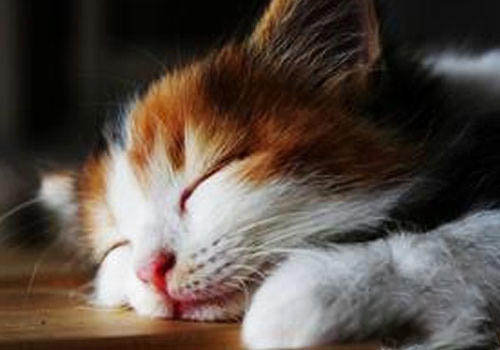
Trained cats are more likable
For the training of urination and defecation, cats have a bad odor, and wild cats often cover their feces with soil. Some cat owners choose sand or cat litter, as cat litter is better at cleaning and preventing parasites than sand. Cats love to clean, and if trained from a young age, they will develop good habits of defecating and urinating at designated locations.
We can also try to make the cat understand its name. When it is in an excited state, calling its name frequently can make it easier for it to remember its name, such as when petting it, playing, or before feeding.
We can also implement a reward system for cats. For example, at the beginning, every time a cat completes a simple action, it can be rewarded. As the training action progresses, the threshold for reward conditions should also be raised. When it completes some complex actions, moderate rewards can be given to fully utilize the effectiveness of rewards. Rewards include verbal praise, touching the head or back, giving food Dim sum, etc.
Appropriate training can make your cat more likable and have a protective effect on both the cat and our own health. Of course, training should also focus on methods and not be too hasty.